Desain Kemasan
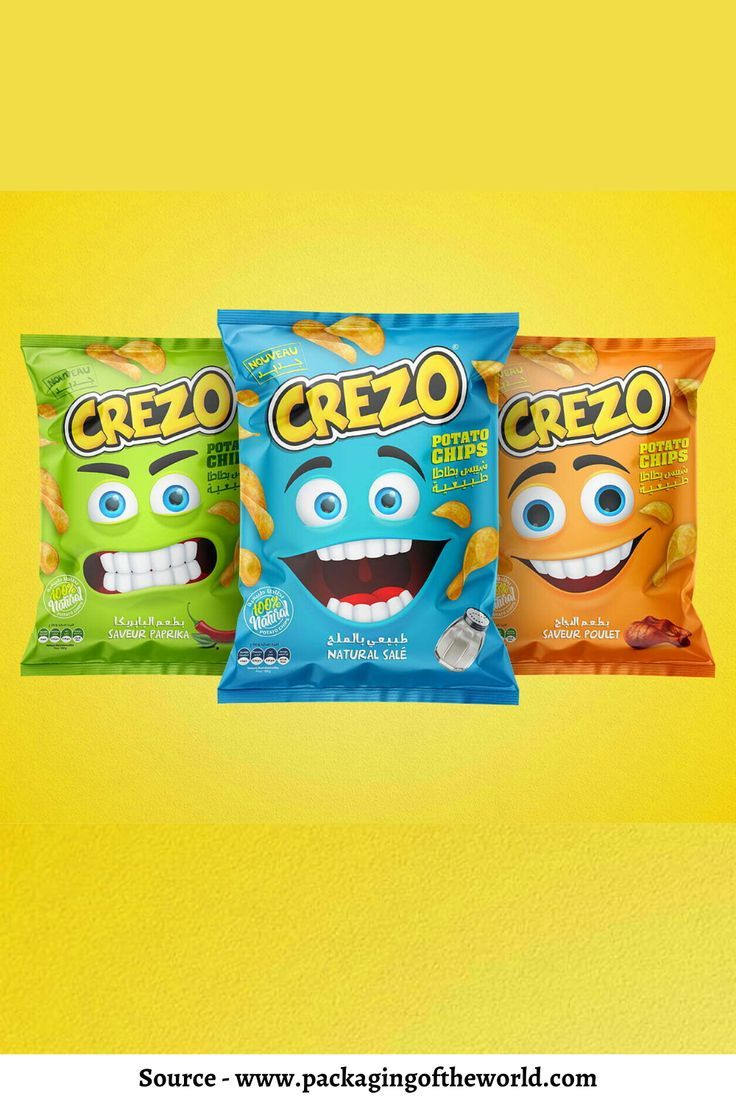
Desain kemasan bukan hanya tentang bagaimana produk terlihat, tetapi juga bagaimana produk tersebut dirasakan, digunakan, dan dihargai oleh konsumen. Di era persaingan bisnis yang ketat, desain kemasan memiliki peran yang sangat vital dalam menarik perhatian konsumen, membangun identitas merek, dan mempengaruhi keputusan pembelian. Artikel ini akan mengulas berbagai elemen penting dalam desain kemasan serta mengapa desain kemasan sangat penting dalam dunia bisnis.
Elemen Kunci dalam Desain Kemasan
1. Estetika Visual
- Warna: Warna memainkan peran penting dalam menarik perhatian dan mempengaruhi emosi konsumen. Misalnya, warna merah sering dikaitkan dengan energi dan gairah, sementara biru sering diasosiasikan dengan ketenangan dan kepercayaan.
- Tipografi: Pemilihan font yang tepat dapat memperkuat pesan yang ingin disampaikan oleh merek. Tipografi harus mudah dibaca dan sesuai dengan identitas merek.
- Grafis dan Gambar: Ilustrasi, foto produk, dan grafis lainnya membantu memberikan gambaran tentang produk dan menarik perhatian visual.
2. Fungsi dan Praktis
- Kemudahan Penggunaan: Kemasan harus dirancang agar mudah dibuka, ditutup, dan digunakan oleh konsumen. Desain yang ergonomis dan fungsional meningkatkan pengalaman pengguna.
- Perlindungan Produk: Kemasan harus melindungi produk dari kerusakan selama transportasi dan penyimpanan. Ini termasuk mempertimbangkan material yang tahan lama dan sesuai untuk produk yang dikemas.
- Informasi yang Jelas: Kemasan harus memberikan informasi yang jelas dan lengkap tentang produk, seperti komposisi, cara penggunaan, tanggal kedaluwarsa, dan informasi nutrisi.
3. Keberlanjutan dan Lingkungan
- Bahan Ramah Lingkungan: Penggunaan bahan kemasan yang ramah lingkungan, seperti plastik daur ulang atau kertas biodegradable, semakin menjadi pertimbangan penting bagi konsumen dan produsen.
- Desain Minimalis: Mengurangi bahan berlebih dan merancang kemasan yang dapat didaur ulang atau digunakan kembali membantu mengurangi dampak lingkungan.
4. Identitas Merek
- Konsistensi Merek: Desain kemasan harus mencerminkan identitas dan nilai-nilai merek secara konsisten. Hal ini mencakup logo, skema warna, dan gaya visual yang khas.
- Pembeda dari Kompetitor: Kemasan yang unik dan kreatif dapat membedakan produk dari kompetitor di rak-rak toko, menarik perhatian konsumen, dan membangun loyalitas merek.
Pentingnya Desain Kemasan dalam Bisnis
- Meningkatkan Penjualan. Desain kemasan yang menarik dapat mempengaruhi keputusan pembelian konsumen. Penelitian menunjukkan bahwa konsumen sering kali membuat keputusan pembelian hanya berdasarkan tampilan kemasan, terutama ketika mereka dihadapkan pada pilihan yang serupa.
- Membangun Kesadaran Merek. Kemasan adalah salah satu alat paling efektif untuk membangun kesadaran merek. Desain yang konsisten dan menarik membantu merek dikenali dengan mudah oleh konsumen di pasar yang ramai.
- Komunikasi Nilai Produk. Desain kemasan yang efektif dapat menyampaikan nilai-nilai produk, seperti kualitas premium, ramah lingkungan, atau inovasi, kepada konsumen. Ini membantu membentuk persepsi positif dan kepercayaan terhadap produk.
- Mendorong Loyalitas Pelanggan. Pengalaman positif dengan kemasan, baik dari segi fungsionalitas maupun estetika, dapat mendorong loyalitas pelanggan. Konsumen yang puas cenderung kembali membeli produk yang sama dan merekomendasikannya kepada orang lain.
